How Paranoid Photos Works: A Secure Zero-Knowledge Photo Storage Platform with Full Encryption and Privacy Protection
In today’s digital world, protecting personal photos and private memories has become more important than ever. Millions of users upload family pictures, travel memories, professional images, and sensitive documents to cloud storage platforms every single day. However, many traditional cloud services still scan user content, analyze uploaded images using artificial intelligence, and store personal data in ways users cannot fully control.
This complete guide explains how Paranoid Photos works, how its encryption system protects users, why zero-knowledge cloud storage matters, and why more users are switching to private encrypted photo backup services in 2026.
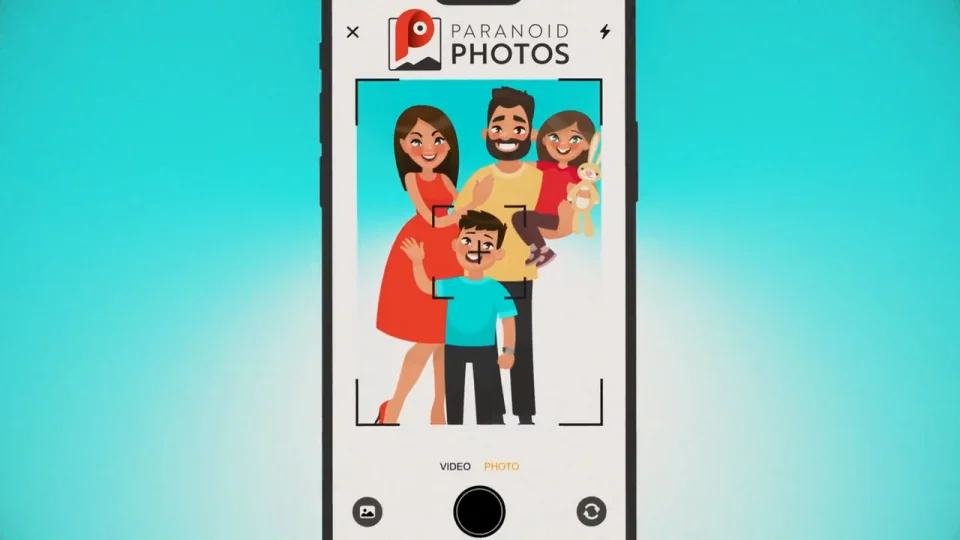
Paranoid Photos is a secure private photo storage platform built for users who want complete control over their digital memories. Unlike many traditional cloud storage services, Paranoid Photos uses end-to-end encryption to protect photos before they even leave the user’s device.
The platform follows a zero-knowledge security model, meaning the servers cannot view, scan, or access uploaded files. This provides stronger privacy protection compared to standard cloud photo storage platforms.
Users can securely store:
Personal photo libraries
Family memories
Professional images
Private albums
Travel photos
Important documents
Creative projects
The service works across multiple devices including smartphones, tablets, laptops, and web browsers.
How Paranoid Photos Works
The core feature of Paranoid Photos is its encryption-first system. Every part of the platform is designed around privacy and secure access.
Photos Are Encrypted Before Upload
When users upload images, the files are encrypted directly on their own device before being transferred to cloud servers.
This process ensures:
Photos never reach servers in unencrypted form
Employees cannot access user images
Hackers cannot read uploaded files
Artificial intelligence systems cannot scan content
Personal memories remain fully private
The encryption happens locally using secure encryption keys controlled only by the user.
Zero-Knowledge Encryption Explained
Zero-knowledge cloud storage means the platform has zero access to user content. The provider cannot view, analyze, or decrypt stored images.
With Paranoid Photos:
The company cannot see uploaded photos
Servers cannot decrypt encrypted files
AI systems cannot analyze images
Private albums stay inaccessible to outsiders
User content remains protected even during storage
This security model is becoming increasingly important as users become more aware of online privacy risks and AI data collection systems.
Only the User Holds the Encryption Keys
One of the biggest differences between Paranoid Photos and traditional cloud storage providers is key ownership.
Many cloud services store encryption keys on company servers, allowing the provider to technically access user files if necessary.
Paranoid Photos works differently.
The master encryption key stays on the user’s device, and the company does not keep recovery access.
Benefits include:
Better personal privacy
Reduced internal access risks
Protection against server breaches
True ownership of uploaded files
Stronger encrypted cloud security
Without the private encryption key, uploaded photos remain unreadable.
Protection Against AI Image Scanning
One of the biggest concerns in modern cloud storage is AI image analysis. Many platforms use uploaded photos for facial recognition, recommendation systems, image categorization, and artificial intelligence model training.
Paranoid Photos is specifically designed to prevent this type of access.
Because files stay encrypted:
AI systems cannot scan photo libraries
Images cannot be used for AI training
Facial recognition analysis becomes impossible
Private media stays protected
Metadata exposure is reduced
This makes the platform attractive for users who want stronger digital privacy and control over their personal content.
Secure Cloud Storage with Full Encryption
After encryption, photos are uploaded to secure cloud infrastructure in encrypted form. Even if stored server data was exposed, the files would remain unreadable without the user’s private encryption key.
This system provides:
Encrypted cloud photo backup
Secure online image storage
Private multi-device syncing
Long-term photo protection
Reliable encrypted backups
The platform combines cloud convenience with advanced privacy protection.
Access Photos Across Multiple Devices
Paranoid Photos supports secure access across different devices and operating systems.
Users can access their encrypted libraries from:
iPhone and iPad devices
Android smartphones and tablets
Laptops and desktop computers
Modern web browsers
Connected personal devices
When users sign in, encrypted photos are decrypted locally on trusted devices using the user’s credentials.
This allows convenient access without sacrificing privacy.
Private Photo Storage Without Social Media Features
Unlike social media platforms, Paranoid Photos is designed for private storage instead of public engagement.
The platform does not include:
Public feeds
Algorithmic recommendations
AI-generated memories
Automatic resharing systems
Engagement tracking tools
This creates a cleaner and more secure environment for managing personal photo libraries.
Full-Resolution Photo Backup
Many cloud storage services compress uploaded images to reduce storage costs, which can lower overall image quality.
Paranoid Photos stores:
Original image resolution
High-quality photo files
Large media collections
Detailed image data
Permanent encrypted backups
This feature is useful for photographers, professionals, families, and users who want reliable long-term storage.
Secure Sharing Features
Paranoid Photos allows users to securely share selected content with trusted people while maintaining privacy protections.
The sharing system is designed to reduce accidental exposure commonly found on traditional cloud platforms.
This helps protect users from:
Public album exposure
Unwanted recommendations
Search engine indexing
Oversharing through algorithms
Unauthorized visibility
Users remain in control of who can access shared content.
Pricing Plans for Paranoid Photos
The platform offers flexible storage plans for different types of users.
Free Plan
8 GB encrypted storage
Secure cloud backup
Private photo syncing
Cross-device access
Plus Plan
100 GB secure storage
Affordable monthly pricing
Expanded encrypted backup
Suitable for family photo libraries
Pro Plan
1 TB encrypted storage
Professional-level backup capacity
Additional storage expansion
Ideal for photographers and professionals
Advantages of Using Paranoid Photos
Advanced end-to-end encryption
Zero-knowledge cloud storage
No AI photo scanning
Full-resolution image storage
Secure multi-device access
Private encrypted cloud backup
User-controlled encryption keys
Long-term digital privacy protection
Why Secure Photo Storage Matters in 2026
Digital privacy threats continue growing every year. More users are becoming aware of:
AI-generated impersonation
Deepfake technology
Photo leaks
Data harvesting
Unauthorized tracking
Facial recognition systems
Encrypted photo storage platforms help reduce these risks by limiting access to personal data.
Privacy-focused services like Paranoid Photos are becoming increasingly popular because they prioritize user security instead of data collection.
Conclusion
Paranoid Photos represents a major shift toward privacy-first cloud photo storage solutions. Instead of prioritizing AI analysis, advertising systems, and engagement algorithms, the platform focuses on secure encrypted photo storage and full user control.
Its combination of end-to-end encryption, zero-knowledge architecture, secure cloud syncing, and full-resolution backups makes it one of the strongest options for users who value privacy and long-term digital protection.
As concerns about AI image analysis and online privacy continue growing in 2026, encrypted storage platforms like Paranoid Photos are becoming increasingly important for protecting personal memories and sensitive digital content.